

Website owners, bloggers, and content creators continue to rely on Google AdSense as one of the most trusted ways to generate revenue from online content. While there are many advertising networks available today, Google AdSense remains a preferred choice because of its large advertiser network, reliable payments, and ease of integration.
This Google AdSense 101 guide explains how website monetization works, how to get approved, how to optimize earnings, and what strategies help publishers succeed in 2026.
What Is Google AdSense?
Google AdSense is an advertising platform that allows website owners to display ads on their websites and earn revenue when visitors view or interact with those ads.
Advertisers use Google Ads to promote products and services, while publishers use AdSense to monetize website traffic.
Benefits of Google AdSense
| Benefit | Description |
|---|---|
| Easy Setup | Simple integration with most websites |
| Reliable Payments | Monthly payouts from Google |
| Global Advertisers | Access to millions of advertisers |
| Auto Ads | AI-powered ad placement optimization |
| Multiple Ad Formats | Display, native, anchor, and video ads |
For beginners, AdSense often serves as the first step toward building a sustainable online income stream.
Why Google AdSense Still Matters in 2026
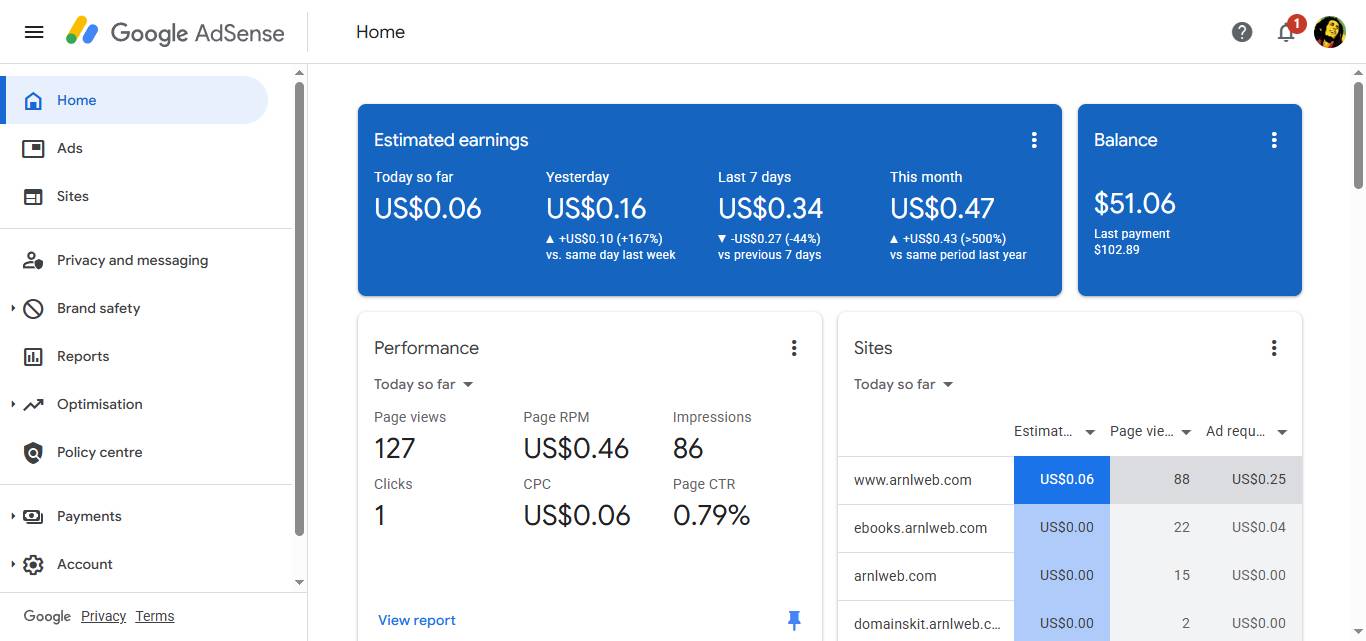
Although affiliate marketing and sponsored content have grown significantly, AdSense remains relevant because it monetizes traffic automatically.
Publishers do not need to sell products, negotiate sponsorships, or manage advertisers directly.
Google continues to improve ad targeting using machine learning, helping publishers maximize earnings while maintaining a positive user experience.
If you are building a content-driven website, consider combining AdSense with strong SEO practices such as those explained in:
- https://www.arnlweb.com/search-engine-optimization/
- https://www.arnlweb.com/understanding-google-indexing/
- https://www.arnlweb.com/on-page-seo-checklist/
How to Get Approved for Google AdSense
Getting approved is more challenging today than it was several years ago. Google now reviews websites more carefully to ensure quality and compliance.
Eligibility Requirements
To qualify for AdSense approval, your website should meet the following standards:
| Requirement | Recommendation |
|---|---|
| Age | 18 years or older |
| Domain Ownership | Full ownership of website |
| SSL Certificate | HTTPS enabled |
| Original Content | Unique and valuable articles |
| Navigation | Easy-to-use website structure |
| Privacy Pages | Privacy Policy, Contact, About Us |
| Traffic | Organic traffic preferred |
Content Requirements
Google prioritizes high-quality content following EEAT principles:
- Experience
- Expertise
- Authoritativeness
- Trustworthiness
Aim for:
- 30+ published articles
- 1,200+ words per article
- Original images
- Helpful information
- Regular updates
You can learn more about content quality through:
https://www.arnlweb.com/the-truth-about-ai-content-and-google-rankings/
Technical Requirements Before Applying
Many applications fail because of technical issues rather than content quality.
Website Speed
Google expects websites to load quickly.
Recommended optimizations include:
- WebP images
- Browser caching
- CDN implementation
- Lazy loading
- Minified CSS and JavaScript
Helpful resources:
- Google Search Central
- PageSpeed Insights
- Cloudflare
- Bunny CDN
Mobile Optimization
Most traffic now comes from mobile devices.
Before applying:
- Test mobile responsiveness
- Check font readability
- Verify navigation menus
- Optimize image scaling
Essential Pages
Every AdSense-ready website should include:
- About Us
- Contact Us
- Privacy Policy
- Terms and Conditions
- Disclaimer
Step-by-Step Google AdSense Application Process
Step 1: Create an AdSense Account
Visit the official Google AdSense website and register your account.
Step 2: Add Website Information
Submit:
- Website URL
- Contact information
- Payment details
Step 3: Verify Ownership
Verification methods include:
- DNS records
- HTML file upload
- Meta tag verification
Step 4: Wait for Review
Approval timelines generally range from:
| Review Type | Typical Time |
|---|---|
| Fast Approval | 24–72 hours |
| Standard Review | 1–2 weeks |
| Manual Review | Up to 4 weeks |
Common AdSense Rejection Reasons
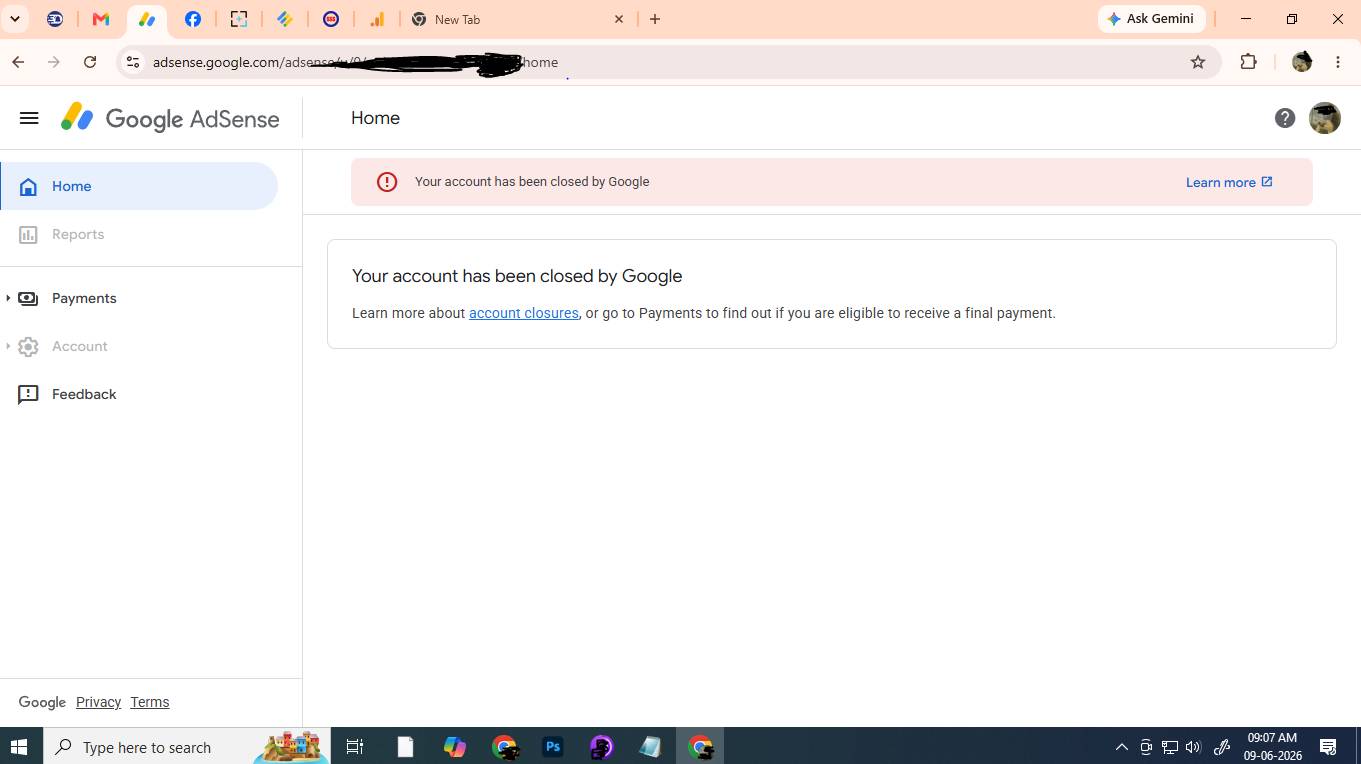
Many websites receive rejection notices during their first application.
Thin Content
Short articles often fail to meet quality standards.
Solution:
Expand content with:
- Research
- Case studies
- Examples
- Expert insights
Insufficient Content
Publishing only a handful of articles is rarely enough.
Solution:
Publish at least 30 useful articles before applying.
Invalid Traffic
Bot traffic and artificial visits can trigger issues.
Helpful resource:
Copyright Violations
Using copied content, images, or videos may lead to rejection.
Ad Placement Optimization Strategies
Getting approved is only the beginning.
The real goal is maximizing revenue while maintaining a good user experience.
Recommended Ad Locations
| Placement | Performance |
|---|---|
| Above the Fold | High |
| Within Content | High |
| Sidebar | Medium |
| Footer | Low |
Auto Ads vs Manual Ads
| Auto Ads | Manual Ads |
|---|---|
| Easy Setup | More Control |
| AI Optimization | Custom Placement |
| Faster Implementation | Better Testing |
Most publishers start with Auto Ads and gradually switch to manual optimization.
Increasing AdSense Earnings
Focus on High-CPC Content
Some niches generate significantly higher advertising rates.
Examples:
- Finance
- Insurance
- Legal Services
- Software
- Web Hosting
- Digital Marketing
Related resource:
Improve SEO
Higher rankings mean more traffic and more ad impressions.
Useful guides:
- https://www.arnlweb.com/on-page-seo-techniques/
- https://www.arnlweb.com/internal-linking-strategies/
- https://www.arnlweb.com/semantic-seo/
- https://www.arnlweb.com/local-seo-for-businesses/
Improve User Experience
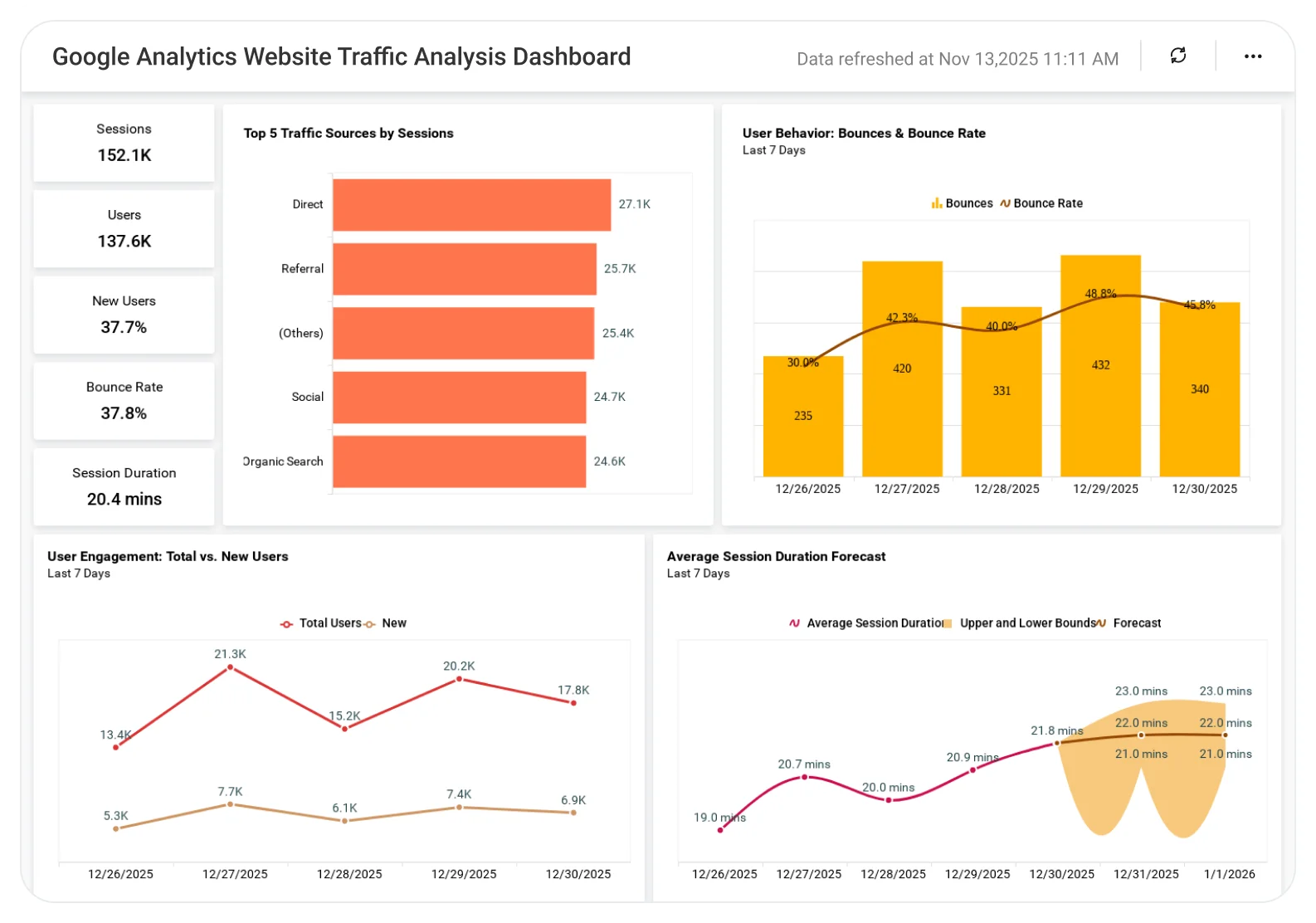
Google rewards websites that provide:
- Fast loading times
- Mobile-friendly design
- Useful content
- Easy navigation
A better user experience often results in higher RPM and CTR.
Alternative Monetization Methods
While AdSense is effective, diversifying income sources is smart.
Affiliate Marketing
Popular networks include:
- ShareASale
- CJ Affiliate
- Amazon Associates
Helpful guides:
- https://www.arnlweb.com/maximizing-your-earnings-with-affiliate-marketing/
- https://www.arnlweb.com/amazon-affiliate-program-a-beginners-guide/
- https://www.arnlweb.com/top-10-ultimate-guides-to-affiliate-marketing/
Sponsored Content
Brands may pay for:
- Product reviews
- Sponsored articles
- Social media promotions
AdSense Alternatives
Consider:
- Ezoic
- Media.net
- Adsterra
- Adcash
- PopCash
Resources:
- https://www.arnlweb.com/adsense-vs-media-net-vs-ezoic/
- https://www.arnlweb.com/top-5-adsense-alternatives/
- https://www.arnlweb.com/adsterra-publishers-can-now-monetize-their-content/
Advanced Website Monetization Strategies
Successful publishers rarely depend on a single revenue source.
A balanced monetization strategy may include:
- Google AdSense
- Affiliate marketing
- Email marketing
- Digital products
- Online courses
- Sponsored content
For long-term growth, combine monetization with content marketing and SEO optimization.
Final Thoughts
Google AdSense remains one of the most reliable monetization methods for bloggers and website owners in 2026. Success depends on publishing valuable content, maintaining technical quality, following Google policies, and continually improving user experience.
Instead of focusing only on approval, build a website that genuinely helps visitors. Websites that provide value consistently tend to generate sustainable traffic, stronger rankings, and higher advertising revenue over time.
Frequently Asked Questions
1. How many articles do I need for AdSense approval?
Most successful applications have at least 20–30 high-quality articles with original content.
2. Does Google AdSense require a minimum amount of traffic?
No official minimum exists, but organic traffic improves approval chances.
3. Can I use AI-generated content for AdSense?
Yes, provided the content is helpful, original, accurate, and created for users rather than search engines.
4. How long does AdSense approval take?
Approval can take anywhere from 24 hours to 4 weeks depending on review complexity.
5. Can I use AdSense with affiliate marketing?
Yes. Many publishers combine AdSense and affiliate marketing successfully.
6. What is a good AdSense CTR?
Most websites see CTR between 1% and 5%, depending on niche and ad placement.
7. How do I increase AdSense RPM?
Improve content quality, target higher-CPC topics, increase organic traffic, and optimize ad placements.
8. Is Google AdSense better than Media.net?
It depends on your niche, but AdSense generally provides broader advertiser coverage and easier setup.